


TAVI surgery
TAVI Surgery: A minimally invasive solution for aortic valve disease
Biruni Hospital offers advanced TAVI surgery as part of its commitment to minimally invasive heart care, combining cutting-edge technology with the expertise of a specialized cardiology team.
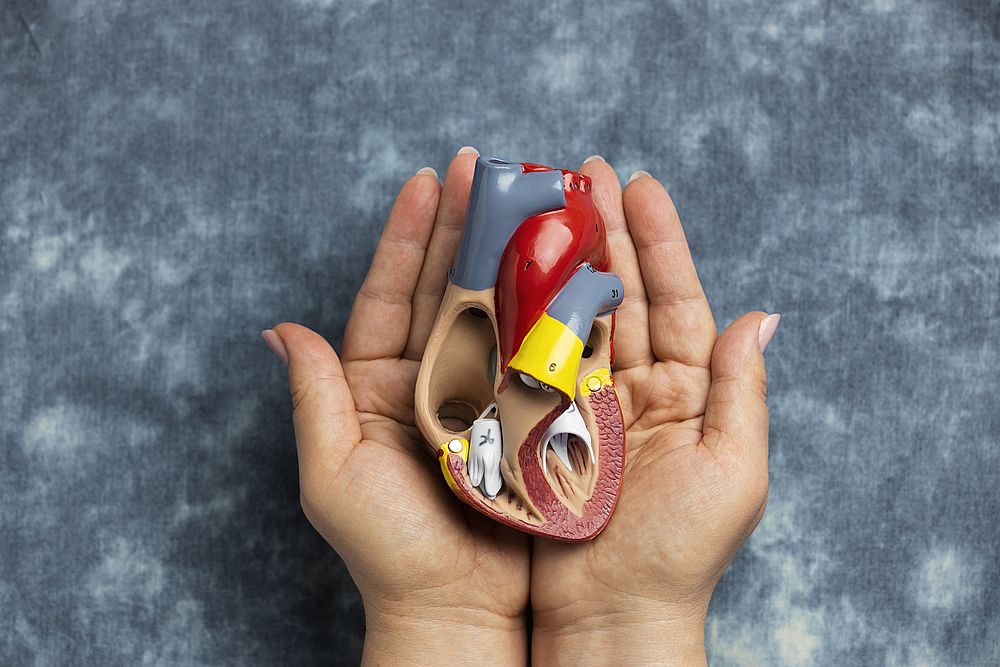
Heart valve problems can disrupt blood flow through the heart, causing symptoms like fatigue, chest pain, and shortness of breath. Aortic stenosis, where the aortic valve narrows, is common in older adults and puts extra strain on the heart.
Thanks to medical advances, safer and less invasive treatments are now available. TAVI offers an effective alternative to traditional open-heart procedures. At Biruni Hospital, expert cardiology teams perform this minimally invasive technique to improve heart function and quality of life.
What is TAVI surgery?
TAVI is a medical abbreviation for a transcatheter aortic valve implantation procedure. It is a minimally invasive procedure designed to replace a diseased aortic valve without the need for open-heart surgery. Instead of opening the chest, doctors insert a new valve via a catheter (a thin, flexible tube) through a blood vessel, typically accessed in the groin.
The new valve pushes aside the damaged valve leaflets and takes over the function of regulating blood flow from the heart into the aorta, the main artery that carries blood to the body.
TAVI surgery vs traditional open-Heart surgery
TAVI and traditional surgery both replace a damaged aortic valve, but they differ in how they are done and who they suit best:
- Procedure: A small tube is inserted through the groin, avoiding chest opening, whereas traditional surgery requires opening the chest.
- Anesthesia: Usually local anesthesia with sedation is used, compared to full general anesthesia for traditional surgery.
- Hospital stay: Patients typically stay 2 to 5 days versus 7 to 10 days or more for traditional surgery.
- Recovery: Recovery is faster, often a few weeks, while traditional surgery may require months to recover fully.
- Risks: This minimally invasive approach is safer for older or higher-risk patients; traditional surgery suits younger, healthier individuals.
- Valve replacement: The new valve is implanted inside the old valve, unlike traditional surgery, which removes the old valve completely.
- Scarring: The procedure leaves a small mark in the groin rather than a large chest scar.
- Future options: It can sometimes be repeated or followed by surgery, whereas repeated open-heart surgery is more complex and risky.
Who is a candidate for TAVI?
TAVI is an excellent option for many patients with aortic valve disease, but it’s not suitable for everyone. Doctors carefully evaluate each individual case to ensure that the procedure is the safest and most effective choice.
You may be considered a candidate if you:
- Experience severe symptoms caused by a narrowed aortic valve, such as shortness of breath, chest pain, fatigue, or fainting.
- Are elderly, usually over 75 years old, where traditional open-heart surgery carries higher risks.
- Have other health conditions like lung disease, kidney problems, or a history of strokes that make surgery unsafe.
- Are physically frail or have had prior heart surgeries that increase the complexity or risks of valve replacement.
Evaluation before TAVI
Before recommending TAVI, the cardiology team at Biruni Hospital performs a thorough and personalized assessment to determine whether this minimally invasive procedure is appropriate for you. This evaluation typically includes:
Medical History and Physical Examination: Reviewing your symptoms, overall health, and existing medical conditions such as high blood pressure, diabetes, or prior heart issues.
Advanced Imaging Tests: Conducting echocardiography (heart ultrasound),CT scans to assess heart structure and function, and sometimes cardiac catheterization to measure pressures and blood flow inside the heart.
Assessment of Overall Health and Risk Factors: Considering other health concerns like lung or kidney disease, previous surgeries, or signs of frailty that may affect your ability to undergo the procedure or recover well.
Patient Preferences and Goals: Discussing what matters most to you, whether it’s a quicker recovery, avoiding open-heart surgery, or concerns about potential risks and benefits.
This comprehensive evaluation helps your care team choose the best treatment plan tailored to your unique health situation, ensuring TAVI is both safe and effective for you.
How is TAVI surgery performed?
Knowing what to expect during TAVI surgery can help you feel more relaxed and prepared. Here is a simple step-by-step guide to how the procedure is usually done:
Step-by-step overview
- Preparation: Before the procedure, you will receive local anesthesia or light sedation to keep you comfortable. In some cases, general anesthesia may be used. The area around the groin is cleaned and numbed to prepare for catheter insertion.
- Accessing the Valve: A thin, flexible tube called a catheter is carefully inserted into the femoral artery in your groin. The catheter is then gently guided through your blood vessels up to your heart.
- Valve Deployment: The new valve, compressed inside the catheter, is advanced into the position of the damaged aortic valve.
- Valve Expansion: Once in place, the new valve is expanded by inflating a small balloon or by self-expanding. This pushes the old valve leaflets aside and allows the new valve to start working immediately.
- Verification: Using imaging tools like echocardiography (ultrasound of the heart) and fluoroscopy (real-time X-ray),doctors confirm that the new valve is correctly positioned and working properly.
- Completion: The catheter is carefully removed, and pressure is applied to the insertion site to prevent bleeding.
- Duration and hospital stay: The entire procedure usually takes about 1 to 2 hours. Afterward, patients typically stay in the hospital for 2 to 5 days for close monitoring and recovery.
What to expect after TAVI?
Understanding the recovery process after a transcatheter aortic valve implantation (TAVI) is essential for both patients and their families. While many individuals experience significant symptom improvement, being informed about immediate care and long-term follow-up is key to a successful recovery.
Immediate recovery
After the procedure, patients are monitored closely for:
- Heart rhythm irregularities that may occur shortly after valve placement
- Complications at the catheter insertion site, such as bleeding or vessel damage
- Early signs of infection or internal bleeding
Many patients notice immediate relief from symptoms like shortness of breath and fatigue.
Long-term care
Ongoing management plays a crucial role in maintaining the benefits of TAVI:
- Scheduled follow-up appointments, including echocardiograms, to monitor valve performance
- Temporary use of medications such as blood thinners to reduce the risk of clots
- Personalized lifestyle recommendations and cardiac rehabilitation to strengthen heart function
Most patients are able to return to their usual activities within a few weeks, often feeling better and more energetic than before the procedure.
A new hope for patients with heart valve disease
At the cardiology and cardiovascular surgery center of Biruni Hospital, severe aortic stenosis is treated with modern advances like TAVI, offering new hope to many patients who previously had limited options. Experts in minimally invasive heart procedures perform TAVI to improve quality of life, relieve symptoms, and extend survival, with less recovery time and fewer risks than traditional surgery.
Send us your contact information and we will call you as soon as possible.