


Orthodontic Treatment in Turkey
Discover smart orthodontic care in turkey save more get results you can trust
Biruni Hospital’s Orthodontics Department offers expert care for correcting dental and jaw misalignments in children and adults. Using modern braces and aligner systems, we ensure healthy function and aesthetically pleasing smiles.
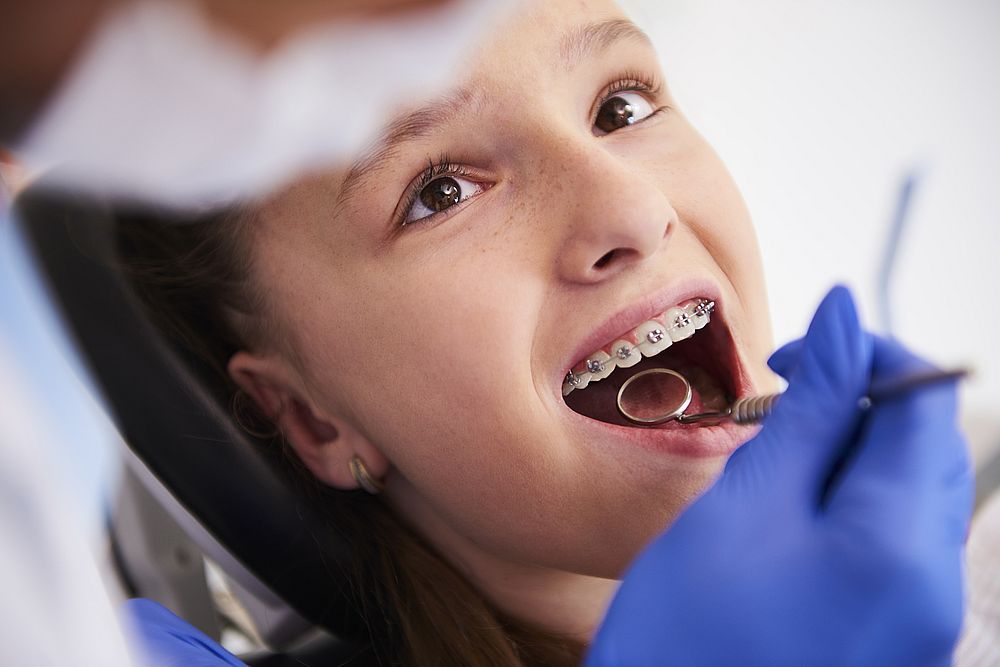
Orthodontic treatment is more than just moving teeth, it changes how you carry yourself, how you talk and even how you eat. Getting this right means finding care that blends real skill with the right tools and a price that makes sense.
Biruni Hospital delivers that mix with treatments shaped around you, not a one size fits all approach. Turkey has plenty of options, but here you get a serious focus on results without the usual noise.
What is orthodontics ?
Orthodontics isn’t just about straightening teeth, it’s about fixing how your teeth and jaws come together so things actually work right. When teeth are out of place, it makes eating, talking and even smiling harder. The process uses braces or aligners to push teeth slowly into better spots. It’s not quick or perfect, but it’s the only way to fix real problems that don’t just disappear on their own.
Here’s how it usually goes
- First they take scans and X-rays to see what’s really going on
- Then they come up with a plan that suits what you need not some cookie cutter fix
- You get braces or aligners put on to start moving teeth bit by bit
- Every few weeks there’s a checkup to tweak and adjust the treatment
- It can be uncomfortable and messy but you learn to manage pain and keep your teeth clean
- At the end you wear a retainer to make sure the teeth don’t shift back to where they started
What are the types of orthodontic procedures ?
Orthodontic treatment isn’t one size fits all, there are different methods suited to different needs and preferences. Picking the right one depends on what kind of correction you need, how much you care about how it looks and what fits your daily life. Biruni Hospital offers a range of options so you’re not stuck with just one choice.
Metal braces
Metal braces are the classic, they’re those small metal brackets glued to your teeth with a wire running through them that gets tightened regularly over time to move your teeth where they need to go. They handle tough cases well but they’re hard to miss and can feel bulky for some people. Still, they’re reliable and often cheaper than other options.
Steps and what to expect with metal braces
- First comes the full checkup with X-rays and impressions
- Teeth are cleaned and prepared for brackets
- Metal brackets are glued on with cement
- A wire is threaded through the brackets
- You go back every few weeks for tightening and adjustments
- Some soreness happens but can be managed with wax and pain relief
- Keeping your teeth clean is important to avoid problems
- When the job is done braces come off
- Retainers are made to keep teeth from shifting back
Ceramic braces
Ceramic braces work like metal ones but use clear or tooth-colored brackets so they blend in better. They appeal to people who want something less obvious but still fixed like braces. These brackets can chip or stain if you’re not careful and might need more upkeep. Treatment length is about the same as metal braces.
What to expect with ceramic braces
- Assessment and scans to plan your treatment
- Cleaning your teeth before placing brackets
- Attaching ceramic brackets that match your teeth color
- Placing the wire through those brackets
- Regular visits to adjust the wire and monitor progress
- Extra cleaning care to keep brackets from staining
- Managing discomfort as needed
- Removing braces when finished
- Wearing retainers afterward
Clear aligners
Clear aligners are see-through trays that you wear over your teeth. They move your teeth little by little without wires or brackets. You get new trays every week or two to keep things moving. They’re great for mild or moderate fixes and easier to clean but you have to wear them most of the day for them to work. They don’t suit all cases, especially the more complicated ones.
What happens with clear aligners
- Digital scans create a custom treatment plan
- Aligners are made just for you
- You wear each set for the right amount of time before switching
- Regular check-ins to track progress
- Take aligners out to eat and brush teeth
- Avoid damaging habits or foods
- When done you move on to retainers
Lingual braces
Lingual braces are metal braces stuck behind your teeth so no one sees them from the front. They’re great if you want braces without the look but they’re trickier to place and care for since they sit where your tongue touches. Your orthodontist needs special training to use them. You might have some speech trouble or tongue irritation at first but most people adjust.
What to know about lingual braces
- Detailed exam and impressions of the back of your teeth
- Custom brackets made to fit behind your teeth
- Brackets bonded to the tongue side of teeth
- Wire adjustments done regularly
- Follow-ups to handle discomfort and track progress
- Speech and tongue irritation improve with time and care
- Extra attention to cleaning because of the hard-to-reach spots
- Removal and retainers when done
Accelerated orthodontics
If you want to speed things up, accelerated orthodontics can help. This uses special tools or minor surgical tweaks to make your teeth move faster. It’s not for everyone but some find it worth the extra effort because it cuts down treatment time. These techniques are used with braces or aligners to get results sooner.
What accelerated treatment looks like
- Evaluation to see if you’re a candidate
- Planning with standard orthodontics plus acceleration tools
- Sometimes a small in-office procedure to help bone remodel faster
- Braces or aligners fitted along with acceleration devices
- Regular check-ups to monitor faster movement
- Managing extra soreness or sensitivity
- Careful oral hygiene to support healing
- Retainers after to keep teeth steady
What are the preparations before orthodontic treatment
Getting ready for orthodontic work isn’t just about showing up, it takes some planning and adjustments so things don’t go sideways. Each step prepares your mouth and mindset for what’s coming.
1. Dental health checkup
First thing is to check your teeth and gums thoroughly. If you have cavities or gum problems, those need fixing before braces or aligners go on. Otherwise treatment can stall or cause more damage. This step makes sure your mouth can handle the work ahead.
2. Oral hygiene improvement
Brushing and flossing need to be more than a quick once over with braces in your mouth. Food and plaque get stuck easily. If you’re not already good at cleaning your teeth, this is the time to build better habits or you risk decay and gum trouble that will only slow progress.
3. Clear communication with your orthodontist
You need to know what’s coming and what’s realistic. Talk with your orthodontist about what you want and what can happen. They should explain how long it takes, what it will feel like and how to deal with pain. If you don’t get the full picture, frustration and surprises are almost guaranteed.
4. Financial planning and scheduling
Orthodontics takes time and money. It’s not a quick fix or cheap treatment. Plan for regular appointments and extra costs like retainers or emergencies. Not doing this upfront can leave you stressed and half done with treatment.
5. Lifestyle adjustments
Bad habits like chewing nails or biting hard things will wreck braces and slow healing. Smoking makes everything worse. Cutting these before you start saves headaches later and helps your mouth heal faster.
6. Dietary preparation
Your diet has to change too. Sticky, crunchy or hard foods can break appliances or cause pain in early stages. Switching to softer foods before you start makes that adjustment period less miserable and protects your braces.
7. Mental preparation
This is a long haul and not always easy. You’ll have good days and rough ones. Knowing this ahead of time helps you stay on track. When soreness or frustration hit, you won’t give up because you expected it.
8. Support system setup
Having people who get what you’re going through matters. Whether it’s reminders for appointments or someone to vent to, support makes the process less lonely and more manageable. Don’t try to go through it all alone.
What happens during the orthodontic healing process ?
Healing after orthodontic work isn’t some quick fix, it’s a process that takes time and attention. You don’t just walk out with straight teeth and forget about it.
There’s a short term period where your mouth reacts to changes and a longer stretch where your teeth settle in and try not to move back.
Short term healing period
Right after you get braces or start wearing aligners, your mouth is dealing with pressure and new stuff in it. This can last a few days to a few weeks and it’s not always comfortable.
What happens in the short term
- Your teeth and gums feel sore because they’re being pushed around
- Brackets or wires rub against your cheeks, lips or tongue causing small cuts or irritation
- Eating hard or crunchy food feels like a challenge so you end up eating softer stuff
- Your saliva flow might change and talking may feel weird for a bit
- Cleaning your teeth becomes tougher but also more important to avoid problems
- You probably use wax and painkillers to handle the soreness
- Frequent visits happen for tightening or switching aligners
- Teeth may feel loose which is normal because they’re moving
Long term healing period
Once the teeth have mostly moved, the real work begins to keep them where they belong. This phase takes months or even years and needs steady care to stop teeth from shifting back.
What happens in the long term
- You have to wear retainers regularly or the teeth start drifting again
- Bone and gums slowly get stronger around your teeth holding them in place
- Your bite and jaw muscles adjust to how your teeth now fit together
- Regular cleanings and checkups help catch any issues early
- Sometimes small tweaks are needed if teeth move slightly
- Good brushing and flossing habits become a lifelong routine
- You get used to your new look and how it feels when you talk and chew
- Teeth naturally move a little over time so this is ongoing work not a one time deal
Making sense of orthodontic treatment
Orthodontics isn’t simple or quick, it takes time, effort and a clear head. Knowing what’s involved helps you avoid surprises and get results that last. Biruni Hospital focuses on real skill and practical care so you’re not left guessing. Starting with clear expectations makes the whole process easier to handle and worth it in the end.
Send us your contact information and we will call you as soon as possible.