


Eye Health and Diseases
See the future clearly with Turkey’s premier Eye Treatments
Biruni Hospital’s Eye Health and Diseases Department provides comprehensive diagnosis and treatment for vision problems and eye disorders. Our ophthalmology team uses advanced technology to manage conditions like cataracts, glaucoma, and retinal diseases with precision and care.
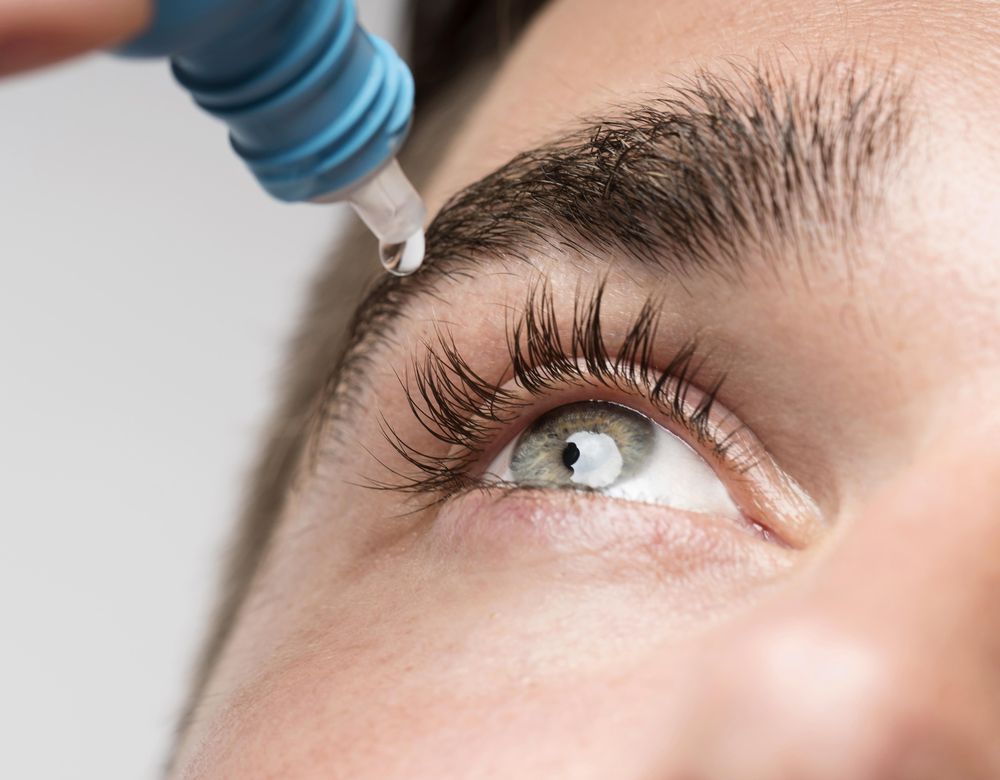
Anyone is in danger of losing their sight With old age or an accident, or at least experiencing significant damage to it, requiring specialized treatment, which you can obtain at Biruni Hospital. Thanks to the best technology science has to offer, Biruni Hospital offers high-quality treatments for all your vision problems.
What is eye health and eye disease ?
The term eye health refers to all the measures taken to preserve and treat vision and eye diseases. These eye diseases can significantly affect visual function, ranging from minor disorders to serious conditions requiring specific treatment.
Aspects of eye health and disease :
- Frequent visits to the doctor help detect eye problems at an early stage.
- Conditions such as nearsightedness, farsightedness, and astigmatism, which can affect the eye's ability to focus.
- These require specialized treatments such as injections or laser surgery.
- This disease damages the optic nerve.
Main aspects of eye care procedures
- Diagnosis & Evaluation
- Vision tests, retinal imaging, OCT scans
- Eye pressure measurements and corneal mapping
- Medical Management
- Eye drops for glaucoma or dry eyes
- Injections for macular degeneration or inflammation
- Eye drops for glaucoma or dry eyes
- Laser Treatments
- LASIK, PRK for vision correction
- Laser therapy for glaucoma or diabetic retinopathy
- Surgical Interventions
- Cataract removal and IOL implants
- Vitrectomy, corneal transplants, eyelid or strabismus surgery
- Cataract removal and IOL implants
Common eye diseases and treatments
Diabetic retinopathy
This is a group of diseases that affect the blood vessels in the retinal area, leading to increased and sometimes irreversible vision loss if left untreated. Many advanced treatments are available, such as laser treatments or injections.
Treatment steps:
- Retinal examination.
- Steroid injections to treat swelling.
- Laser treatment of damaged blood vessels.
Glaucoma
Glaucoma is one of the most common eye diseases. It essentially involves increased pressure that slowly damages the optic nerve. This can lead to blurred vision, which, if left untreated, can lead to loss of central vision. As previously mentioned, glaucoma is one of the most well-known eye diseases, but there are rarer forms of the disease, such as angle-closure glaucoma.
Treatment Steps and Aspects:
- Examination and measurement of eye pressure.
- Application of eye drops to reduce pressure.
- Application of a laser to improve aqueous humor drainage.
Cataracts
This is an eye disease that clouds the lens. If left untreated, it can easily lead to significant vision loss, even total blindness. Cataracts are usually related to old age, but they can also be caused by diseases such as diabetes or trauma.
Treatment steps:
- Ophthalmological examination to test the degree of vision loss.
- The doctor performs cataract surgery to replace the clouded lens.
- Post-operative appointments are required for rehabilitation.
Childhood Eye Diseases
Eye diseases are not limited to the elderly. Children can also be affected by eye conditions such as nearsightedness and farsightedness. There are also more serious conditions such as strabismus.
Treatment steps:
- Examination as soon as you notice something in your child; early detection makes it easier to resolve the problem.
- Vision correction with glasses or contact lenses.
- In the most serious cases, the doctor will recommend strabismus surgery.
- Follow-up is mandatory to ensure proper healing.
Keratoconus
This is an eye condition that causes the normally round cornea to gradually become conical, gradually disrupting vision. If left untreated, keratoconus can lead to astigmatism and severe myopia.
Treatment steps:
- Examination and measurement of the cornea.
- The doctor inserts rigid lenses to improve vision.
- Using an ultraviolet laser, the doctor is able to reconnect the collagen.
Uveitis
This is an inflammation of the uvea, the middle layer of the eye. This disease can also affect the iris. If left untreated, this infection can lead to numerous serious eye impairments and complications, and even permanent vision loss.
Treatment steps:
- Eye examination and imaging to identify the cause of the inflammation.
- The doctor will prescribe anti-inflammatory medications in the form of drops, tablets, or injections.
- Testing for autoimmune disease is performed; if detected, specific medication is required.
Necessary preparations before undergoing eye surgery
- Consultation with the doctor: This will allow them to review your medical records to see if you have any problems with the anastomosis.
- Eye examination: A check of the pressure on the eyes, as well as a vision test.
- Medication administration: After the anesthesia examination, the doctor will prescribe medications such as eye drops or tablets.
- Arrange transportation: Arrange for someone to drive you to and from the hospital.
- Diet: Follow your doctor's instructions for healthy eating before the procedure.
- Surgery preparation: Try to better understand the surgery and understand its many benefits.
The post-operative period after an eye surgery
The short-term healing period
- Early period: After the procedure, swelling and redness may be visible. It is best to take the time to adjust and heal properly.
- Timely medication: Your doctor will prescribe some anti-inflammatory eye drops, it is important to follow your doctor's instructions regarding the use of these medications.
- Regular eye exams: To ensure proper healing, it is advisable to schedule appointments with your doctor so that they can monitor your recovery period.
Long-term healing period
- Vision stabilization: Over time, your vision will gradually improve with regular medication.
- Adjustment after major treatments: Serious eye diseases such as cataracts and glaucoma require surgery, which requires a longer and more cautious postoperative period.
- Lasting changes: After a long period of time, many people regain full vision, but some may require longer time frames or additional interventions.
Final thoughts
Even though procedures and treatments for eye diseases are complex, Biruni Hospital offers high-end treatments and cutting-edge technology to provide you with the best eye care in the world. We always ensure that our patients are fully satisfied with the results of our procedures.
Send us your contact information and we will call you as soon as possible.