


Orthopedics Center
Advanced Orthopedic Treatments
Top Orthopedists in Turkey
Biruni Hospital’s Orthopedics Center is a specialized facility equipped with advanced technology, providing comprehensive care for musculoskeletal conditions, injuries, and joint disorders.
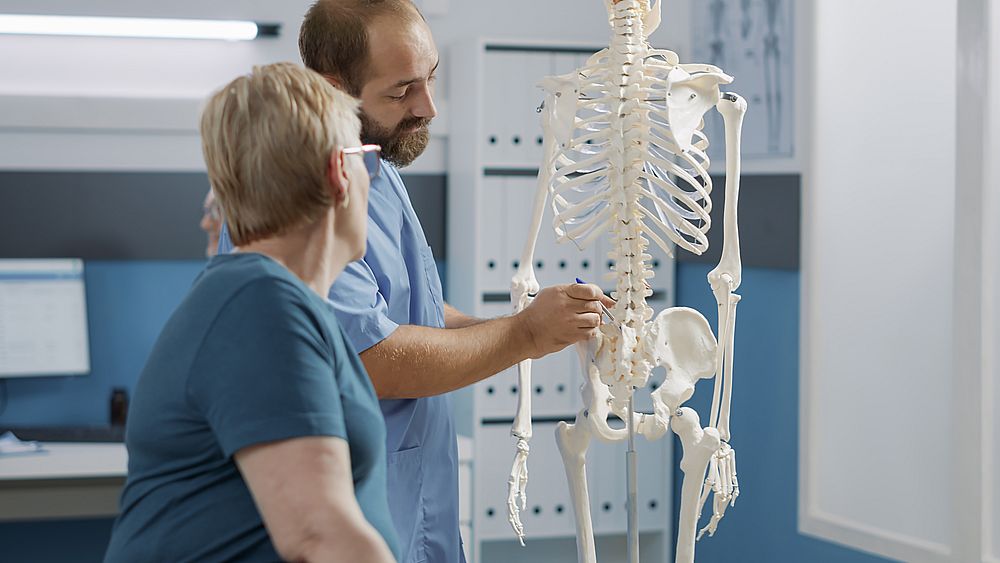
Expert orthopedists at our orthopedic center in Turkey, Istanbul, provide advanced care for all musculoskeletal conditions. Our team combines years of experience with state-of-the-art technology to restore mobility, relieve pain, and improve the quality of life for every patient.
What is orthopedics?
Orthopedics is the medical specialty focused on diagnosing, treating, and preventing conditions affecting the musculoskeletal system, which supports movement and stability in the body. Our orthopedists address issues affecting:
- Bones: fractures, deformities, and bone diseases
- Joints: arthritis, injuries, and wear-related conditions
- Ligaments and Tendons: sprains, tears, and overuse injuries
- Muscles: weakness or injuries affecting mobility
Our team provides personalized care using:
- Non-invasive approaches such as medication, physiotherapy, and rehabilitation programs
- Minimally invasive procedures for faster recovery
- Advanced surgical techniques, including joint replacement, spine surgery, and sports injury repair
The goal of orthopedic care at Biruni Hospital is to help patients return safely to daily activities while improving overall health and comfort.
Types of orthopedic procedures
We offer both surgical and non-surgical treatments for musculoskeletal issues, including:
- Joint Replacement: hip and knee replacement surgeries
- Arthroscopy: minimally invasive joint surgery
- Fracture Repair: restoring broken bones
- Spinal Surgeries: including spinal fusion and corrective procedures
- Corrective Surgeries: treating scoliosis, limb length differences, and other deformities
Spine conditions and treatments
The spine plays a crucial role in movement, posture, and overall health. We treat a variety of spinal conditions with non-surgical and surgical approaches.
Scoliosis
Scoliosis is a sideways curvature of the spine that can affect posture, movement, and breathing. It may appear during adolescence or develop later due to wear and tear. Severe cases may require surgery such as spinal fusion.
Treatment steps:
- Regular X-ray monitoring
- Bracing for children and adolescents
- Personalized physiotherapy programs
- Pain management with medication
- Surgery for curves over 40–50 degrees
- Spinal fusion with rods, screws, and bone grafts
- Minimally invasive surgical options when suitable
- Guided post-surgery physical therapy
- Long-term follow-up
Kyphosis
Kyphosis causes forward rounding of the spine, leading to posture changes, pain, and sometimes breathing difficulties. Causes range from postural habits to vertebral fractures.
Treatment steps:
- Full diagnostic assessment
- Posture-correcting physical therapy
- Bracing for younger patients
- Medication and bone-strengthening treatments for older adults
- Surgical options including osteotomy or fusion
- Stabilization with rods and screws if needed
- Postoperative rehabilitation and monitoring
Physiotherapy and rehabilitation
Physiotherapy and rehabilitation are key to restoring movement, strength, and independence after injuries or medical conditions.
Physiotherapy
Physiotherapy helps restore movement, strength, and function for patients recovering from injuries, illnesses, or disabilities.
Steps:
- Initial assessment and movement evaluation
- Personalized rehabilitation plan
- Manual therapy and stretching
- Exercise therapy for strength and balance
- Patient education on lifestyle and prevention
- Ongoing monitoring and adjustments
Robotic Physiotherapy
Robotic rehabilitation uses advanced devices to assist recovery, especially for neurological or severe musculoskeletal conditions.
Steps:
- Initial evaluation and suitability check
- Device calibration and customization
- Robotic-guided exercises (exoskeletons, treadmills)
- Real-time progress monitoring with feedback
- Adjustments based on performance
- Follow-up and plan adaptation
Robotic orthopedic surgeries
Robot-assisted surgeries enhance precision, reduce risks, and improve recovery times for joint replacement and other complex procedures.
Robotic knee replacement
Robotic knee replacement is a cutting-edge surgical technique; this procedure uses robotic-assisted technology to enhance precision and accuracy during knee surgery. This method can lead to less postoperative pain, faster recovery, and improved long-term outcomes.
Steps:
- Preoperative CT scan and 3D knee modeling
- Sterilization and robotic guidance setup
- Removal of damaged bone and cartilage
- Precise implant placement
- Closure and initiation of physiotherapy
Robotic hip replacement
This procedure is done to remove and replace a damaged hip joint using advanced robotic technology. This technology will ensure high precision when it comes to placing the implants, which reduces the risk of any complications.
Compared to traditional methods, robotic hip replacement aims to deliver better outcomes, significantly minimize the recovery time, and help you return to your normal daily activities.
Steps:
- Preoperative CT scan and 3D hip modeling
- Sterilization and robotic guidance system setup
- Removal of damaged bone and cartilage
- Accurate implant placement with real-time adjustments
- Postoperative rehabilitation for early mobility
Pediatric orthopedics
We provide specialized care for children, including:
- Treatment of congenital deformities such as clubfoot and hip dysplasia
- Management of growth plate disorders
- Corrective and reconstructive limb surgeries
Preparation for orthopedic surgery
Orthopedic surgery in Turkey can significantly improve your quality of life by restoring movement and relieving pain. Proper preparation before your procedure is essential to ensure the best possible outcome and a smooth recovery. Here’s a guide to help you get ready physically and mentally for your surgery.
Personal preparations
Maintain a healthy diet:
- Consult with your doctor and dietitian to create a meal plan tailored to your needs before surgery.
- Stay well hydrated, as dehydration can negatively impact your recovery.
Quit smoking:
- Smoking slows the healing process and increases the risk of complications.
- You should stop smoking at least 4 weeks before the surgery.
Preparations with the doctor
Preoperative evaluation:
- Schedule a comprehensive physical exam to assess your overall health.
- Discuss any underlying health conditions during your consultations.
Discuss medications:
- Inform your doctor about all medications you are taking.
- Certain medications, such as blood thinners, may need to be stopped before surgery.
Your path to recovery
Orthopedic surgery can transform your life, restoring mobility and helping you feel rejuvenated. At Biruni Hospital, we are committed to dedicating our time and resources to support you through this journey. We warmly welcome all our patients and strive to provide the best care possible.
Send us your contact information and we will call you as soon as possible.