


Will i lose my hair with chemotherapy? everything you need to know
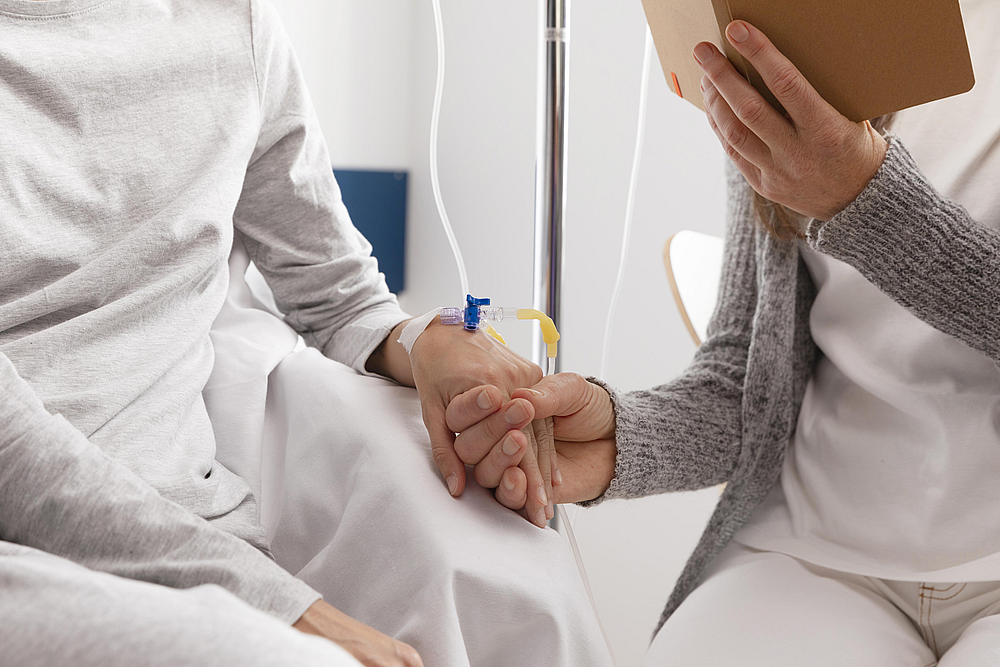
Losing your hair is one of the first concerns many people have when they hear the word chemotherapy. For many, chemotherapy hair loss can feel just as difficult as the diagnosis itself. Hair plays an important role in identity, confidence, and how you present yourself to the world.
If you are about to start treatment and wondering what to expect, you are not alone. It is completely normal to have questions and concerns about how your body will change.
The truth is that hair loss does not happen in the same way for everyone. Some people may lose most of their hair within a few weeks, while others experience only mild thinning or no hair loss at all. This depends on the type of treatment, the dosage, and how your body responds.
In this guide, you will find clear and reliable information about chemotherapy hair loss, including why it happens, when it usually begins, how long it can last, and what you can do to manage it. The goal is to help you feel more prepared, informed, and supported throughout your treatment journey.
Why does chemotherapy cause hair loss?
Chemotherapy is designed to destroy cancer cells, but it can also affect healthy cells that grow quickly. This is the main reason why chemotherapy hair loss happens.
How chemotherapy affects hair follicles?
Cancer cells multiply rapidly, and chemotherapy targets these fast-growing cells to stop the disease from spreading. However, hair follicles are also among the fastest-growing cells in the body.
Because of this, the treatment cannot always distinguish between cancer cells and hair follicle cells. As a result, hair follicles can become damaged during treatment.
What happens to your hair during treatment
When hair follicles are affected, the normal hair growth cycle is disrupted. This condition is known as chemotherapy-induced alopecia.
You may notice:
Gradual thinning of the hair
Increased hair shedding
More noticeable hair loss over time
The severity depends on how sensitive your hair follicles are to the treatment.
Is the damage permanent?
In most cases, the effect is temporary. Chemotherapy usually does not destroy the hair follicles completely. Instead, it slows down their activity and puts them into a resting phase.
This is why hair often starts to grow back after treatment ends.
What influences hair loss?
Not everyone experiences hair loss in the same way. Several factors play a role, including:
The type of chemotherapy drugs used
The dosage and duration of treatment
Your body’s individual response
Does all chemotherapy cause hair loss?
Not all chemotherapy treatments lead to hair loss. Many patients are surprised to learn that the effect on hair depends mainly on the type of drugs used.
Chemotherapy drugs most likely to cause hair loss
Some chemotherapy medications target fast-growing cells, which can affect hair follicles. Common examples include:
Taxanes (paclitaxel, docetaxel)
Anthracyclines (doxorubicin)
Cyclophosphamide
Drugs with milder effects
Other chemotherapy drugs may cause only slight thinning or little to no hair loss. You might notice:
Gradual thinning of hair over time
More hair falling out when brushing or washing
Minimal visible change in some cases
Why experiences differ
Even with the same drugs, experiences can vary depending on the specific medication and combination used, the dosage and duration of your treatment, and your individual body response.
If you are concerned about hair loss, talk to your doctor before starting treatment. They can provide guidance on what to expect based on your exact chemotherapy plan.
When does hair loss start and how long does it last?
Hair loss from chemotherapy does not happen immediately. In most cases, it begins gradually after treatment starts, which can be reassuring if you are preparing for your first session.
Many patients notice the first signs of hair loss about 2 to 4 weeks after their initial chemotherapy treatment. You may start to see more hair on your pillow, in the shower, or when brushing your hair. At first, it often appears as increased shedding before becoming more noticeable.
As treatment continues, hair loss may become more significant. For some people, this leads to partial thinning, while others may lose most or all of their hair. The extent depends on the type of chemotherapy and how your body responds.
During treatment, you might experience:
Gradual hair thinning
Increased shedding over time
More visible hair loss after each session
Hair loss usually continues throughout the course of chemotherapy and may last for a few weeks after the treatment ends. This is because the medications remain active in the body for some time.
The good news is that in most cases, hair begins to grow back once treatment is completed. Early regrowth can sometimes start within a few weeks, although it may take a few months to see more noticeable results.
Will it just be scalp hair?
Hair loss from chemotherapy does not only affect the scalp. Because the treatment targets fast-growing cells, it can impact hair across different parts of the body.
In addition to scalp hair, you may also notice changes in:
Eyebrows and eyelashes
Arm and leg hair
Underarm and pubic hair
Even nasal hair in some cases
The extent of hair loss varies from person to person. Some people lose only scalp hair, while others may experience more widespread hair loss. In many cases, body hair loss is less noticeable or happens more gradually.
Losing eyebrows or eyelashes can feel particularly difficult, as they play an important role in facial expression and eye protection. However, like scalp hair, they usually grow back after treatment ends.
Can you prevent chemotherapy hair loss?
While not all hair loss can be avoided, there are strategies to reduce the risk or severity. One of the most researched methods is scalp cooling. Cooling caps, or scalp hypothermia, lower the temperature of the scalp during chemotherapy. This slows down blood flow to hair follicles, helping protect them from damage.
Key points about scalp cooling:
FDA-approved options include DigniCap.
Works best with certain chemotherapy drugs, especially taxanes.
Not effective for all medications or every patient.
Some people still experience partial hair loss even with scalp cooling.
Other tips to support hair health during treatment:
Avoid harsh chemical treatments or heat styling.
Gently wash hair with mild shampoos.
Minimize tight hairstyles that pull on hair.
It’s important to discuss scalp cooling with your oncology team early, as it requires planning before treatment starts. While prevention may not be guaranteed, these methods can increase the chances of keeping more of your hair intact.
How to manage and cope with hair loss during chemotherapy
Hair loss during chemotherapy can be tough, but there are ways to maintain your confidence and comfort throughout treatment.
Take care of your scalp: Use gentle shampoos, avoid harsh chemicals or heat styling, and keep your scalp moisturized to reduce irritation. Simple scalp massages can also improve blood flow and feel soothing.
Support your emotions: It’s normal to feel upset, frustrated, or self-conscious. Talking with friends, family, or a counselor can help you process these feelings. Mindfulness techniques, deep breathing, or listening to calming music can ease stress and boost emotional resilience.
Stay confident in your appearance: How you choose to handle hair loss is completely up to you. Some people experiment with scarves, hats, or wigs, while others embrace the change and find beauty in their evolving look. Focus on what makes you feel comfortable and empowered.
Practical tips for daily comfort:
Keep a small mirror nearby to track regrowth and see progress.
Protect your scalp from sun or cold with a hat when outdoors.
Experiment with different textures or styles if using head coverings, if you want.
By combining physical care with emotional support, you can feel stronger, more in control, and better prepared to navigate the challenges of chemotherapy hair loss.
When will my hair grow back?
Hair regrowth after chemotherapy usually starts a few weeks to months after your last treatment. Most people notice new hair appearing within 3 to 6 months, but the timeline can vary depending on the drugs used, your body, and your overall health.
What to expect:
Initial regrowth: Fine, soft hair may appear first, often lighter or thinner than before.
Texture changes: Hair may feel curlier or straighter than it was pre-treatment.
Color changes: Some people notice a slight change in color, though it often returns to normal over time.
Complete regrowth: For most, hair returns fully within 6 to 12 months, though a small number may experience permanent thinning.
Remember, regrowth can happen unevenly at first. Patience is key. Treat your scalp gently, avoid harsh chemicals or heat, and focus on overall health, as a balanced diet and good care can support faster recovery.
Even though hair loss can feel challenging, knowing that regrowth is almost always possible can provide reassurance and hope.
Can minoxidil help after chemotherapy?
Minoxidil, commonly used for hair thinning, is sometimes considered to support hair regrowth after chemotherapy. Research suggests it may help some patients see faster regrowth, but its effectiveness is not guaranteed and results vary from person to person.
Key points:
Only use minoxidil after consulting your oncologist to ensure it is safe for you.
Some people notice faster or thicker hair regrowth, while others see little difference.
Gentle hair care is important when using minoxidil; avoid harsh chemicals or heat.
At this stage, minoxidil remains an optional tool for hair recovery after chemotherapy, not a guaranteed solution.
Final Thoughts: Coping with Chemotherapy Hair Loss
Hair loss during chemotherapy can feel overwhelming, but understanding what to expect helps you feel more prepared. Not all chemotherapy drugs cause hair loss, and regrowth usually begins within a few months after treatment ends.
Remember that your experience is unique. Some people notice temporary changes in hair texture or color, while others regain their hair without major differences. Coping strategies, gentle hair care, and options like scalp cooling or supportive treatments can help you manage this phase with confidence.
Always discuss any concerns with your oncology team. They can guide you on safe options for hair regrowth, manage side effects, and provide emotional support throughout your chemotherapy journey. Staying informed and proactive is the best way to feel in control while focusing on your recovery.