
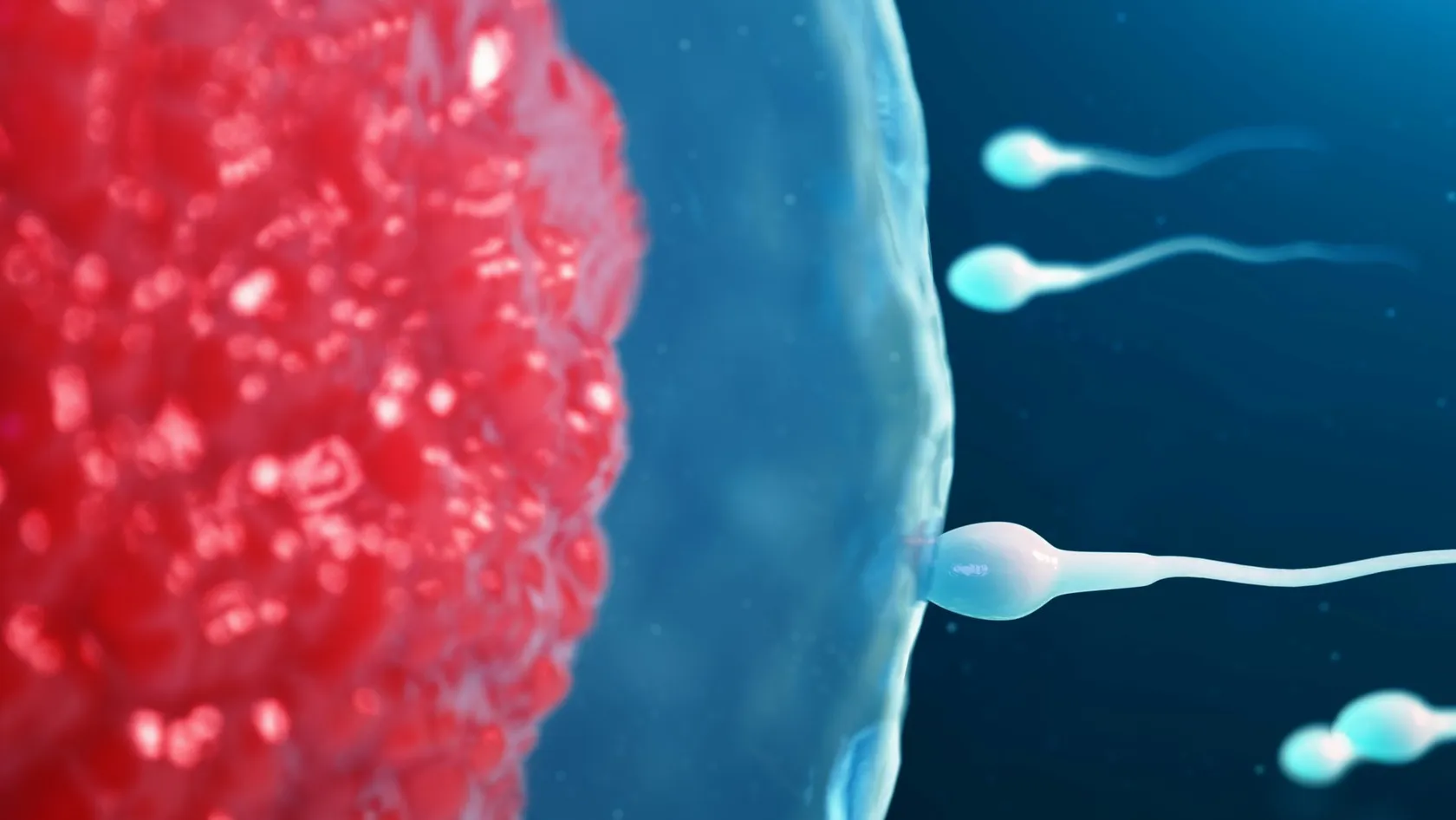
Oligospermia vs Azoospermia: understanding the key differences in male fert
Male fertility issues are more common than many people realize, yet they are often misunderstood or diagnosed late. Two terms that frequently come up during fertility testing are "oligospermia" and "azoospermia." While they may sound similar, they describe very different conditions with different implications for fertility and treatment.
Understanding the difference between oligospermia and azoospermia can help you better interpret test results, ask the right questions, and take informed next steps.
Understanding sperm count and male fertility
Sperm count plays an important role in male reproduction. According to international standards, a typical semen sample contains millions of sperm per milliliter. When sperm numbers are lower than expected or completely absent, fertility may be affected, although this does not automatically mean pregnancy is impossible.
This is where the distinction between oligospermia and azoospermia becomes important.
What is oligospermia?
Oligospermia means that sperm are present in the semen but in lower-than-normal numbers.
In simple terms, sperm production is happening, but not at optimal levels. Depending on how low the count is, fertility may be mildly or significantly reduced.
Oligospermia is often classified by severity:
- mild: slightly reduced sperm count
- moderate: clearly below normal levels
- severe: very few sperm present
Even with oligospermia, natural conception can still occur, especially in mild cases, though it may take longer.
What is azoospermia?
Azoospermia means that no sperm is detected in the semen at all.
This does not necessarily mean that the body produces no sperm. In some cases, sperm is made but cannot reach the semen due to a blockage. In other cases, sperm production itself is impaired or absent.
Azoospermia affects a smaller percentage of men than oligospermia, but it has a more significant impact on fertility without medical assistance.
Key differences between oligospermia and azoospermia
Although both conditions affect sperm count, the difference lies in presence versus absence.
With oligospermia:
- sperm are present, but in reduced numbers
- natural conception may still be possible
- treatment focuses on improving sperm quality or count
With azoospermia:
- sperm are absent from the semen
- natural conception is not possible without medical intervention
- further testing is required to identify the underlying cause
This distinction is crucial because it guides diagnosis and treatment options.
Common causes of oligospermia
Oligospermia can result from a wide range of factors, including:
- hormonal imbalances
- varicocele (enlarged veins in the scrotum)
- infections or inflammation
- lifestyle factors such as smoking, stress, or obesity
- heat exposure affecting the testicles
In many cases, addressing the underlying cause can improve sperm count over time.
Common causes of azoospermia
Azoospermia is generally divided into two main types:
Obstructive azoospermia
Sperm are produced but blocked from reaching the semen due to:
- previous infections
- congenital absence of sperm ducts
- surgical scarring
Non-obstructive azoospermia
Sperm production itself is reduced or absent, often due to:
- genetic conditions
- hormonal disorders
- testicular damage
Identifying the type of azoospermia is essential for determining available treatment options.
How are these conditions diagnosed?
Both conditions are usually detected through a semen analysis.
If sperm count is low, oligospermia may be diagnosed. If no sperm are seen, repeat testing is often recommended to confirm azoospermia.
Additional tests may include:
- hormone blood tests
- genetic testing
- ultrasound imaging
- testicular biopsy in selected cases
These evaluations help clarify the cause and guide management.
Can pregnancy still happen?
With oligospermia, pregnancy is often possible, either naturally or with medical support.
With azoospermia, pregnancy may still be achievable depending on the cause. In some cases, sperm can be retrieved directly from the testicles and used in assisted reproductive techniques.
The key point is that neither diagnosis should be seen as the end of the road without proper evaluation.
When should you see a doctor?
You may want to consult a healthcare professional if:
- pregnancy has not occurred after 12 months of trying
- a semen analysis shows low or absent sperm count
- there is a history of testicular surgery, infection, or hormonal issues
Early evaluation allows for more options and better outcomes.
What this means for fertility planning
Oligospermia and azoospermia are different conditions with different implications, but both require individualized assessment. A clear diagnosis helps determine whether lifestyle changes, medical treatment, or assisted reproduction may be appropriate.
Understanding these differences empowers you to take an active role in fertility decisions and move forward with clarity rather than uncertainty.
People Also Ask (FAQ)
Is oligospermia the same as azoospermia?
No. Oligospermia means low sperm count, while azoospermia means no sperm present in the semen.
Can oligospermia turn into azoospermia?
In some cases, untreated underlying conditions may worsen over time, but this is not always the case.
Is azoospermia permanent?
Not always. Some types are treatable, especially obstructive azoospermia.
Can lifestyle changes improve oligospermia?
Yes. Improving overall health, reducing stress, and addressing medical conditions can help in some cases.
Does azoospermia mean no sperm production at all?
Not necessarily. Some men produce sperm, but it does not reach the semen due to blockage.
Editor's note
Written by the Biruni Hospital medical editorial team. Reviewed by Dentist Ayşe Nurşah İDİN, Oral and Dental Health.
Medically reviewed by

Dentist Ayşe Nurşah İDİN
Oral and Dental Health
Other Articles
Why does lymphoma occur? Causes and contributing factors
Lymphoma is a type of cancer that originates in the lymphatic system, the network of tissues, vessels, and organs that play a vital role in the body's immune defense. Discover the genetic, viral, environmental, and lifestyle factors that contribute to its development.
Read more
What is a chemotherapy infusion? Duration, process, and what to expect
A chemotherapy infusion is a method of delivering cancer treatment directly into the bloodstream through a vein, usually via an intravenous (IV) line. Learn how long sessions take, what to expect, and how to prepare.
Read more
Will I lose my hair with chemotherapy? everything you need to know
Losing your hair is one of the first concerns many people have when they hear the word chemotherapy. Discover why chemotherapy causes hair loss, when it starts, how long it lasts, and practical ways to cope and support regrowth.
Read more