


Winning the battle against Hemolytic anemia starts with expert care in Turkey
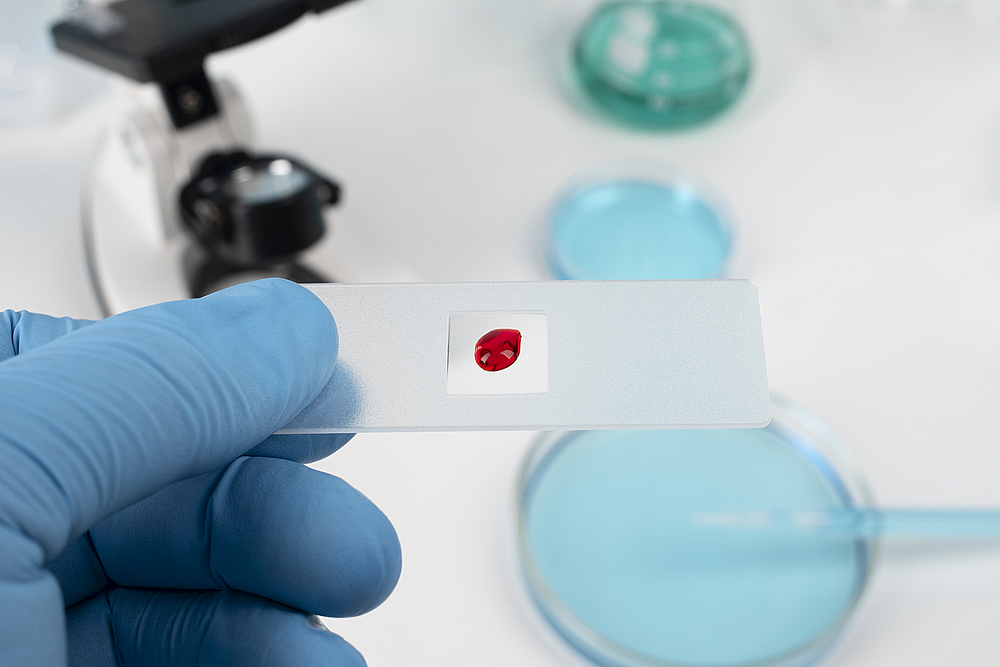
With advances in medical science and diagnostics, conditions such as hemolytic anemia are being identified and treated more effectively than ever before. This procedure can be overwhelming for many patients. It's a condition that affects more than just your blood; it touches every part of your daily life.
However, thanks to medical advancements and the expertise of leading institutions in Turkey, such as Biruni Hospital, patients now have access to effective, evidence-based treatments.
Hemolytic anemia is no longer a lingering nightmare. With a team of dedicated hematologists, Biruni University Hospital provides continuous care from diagnosis to recovery.
What Is Hemolytic Anemia, and What Does Its Procedure Involve?
Hemolytic anemia is a medical condition in which the red blood cells are destroyed or hemolyzed faster than the bone marrow can replace them. This condition will eventually lead to a major deficit in red blood cell count, limiting the blood’s ability to deliver oxygen effectively throughout the body.
What are the types of the hemolytic anemia procedure?
Blood Transfusion
This procedure is usually used to give the patients in need the necessary blood components, such as red blood cells, using an IV line. It plays a major role in restoring the normal levels of oxygen to your tissues.
Although blood transfusion is not a cure for hemolytic anemia, it provides rapid symptom relief and supports ongoing treatment strategies.
Procedure steps and aspects
- The first testing: For the first testing, the doctor will take blood samples from your body to determine your blood type and perform a cross-matching to ensure your compatibility with the donor's blood.
- Consent and preparation: The doctor will thoroughly explain the procedure and all of its aspects. During this step, the medical staff will record your vital signs and check for any contraindications.
- IV Access: The procedure starts with the doctor inserting an IV catheter into your vein to administer the transfusion.
- Transfusion administration: After that the blood will be infused gradually while the doctor keeps monitoring you closely for any signs of allergic reaction or other side effects.
- Post-operative Monitoring: After the procedure is done, the doctor will keep a close eye on your blood pressure, temperature, and overall condition.
Immunosuppressive Therapy
This therapy involves medications that suppress immune system activity, helping preserve red blood cell levels by preventing further immune-mediated destruction.
In autoimmune hemolytic anemia, the immune system misidentifies the healthy red blood cells as threats and destroys them; this form of therapy is aimed at slowing or halting that process.
Procedure steps and aspects
- Diagnosis Confirmation: Before starting, specialized hematologists perform the necessary tests to confirm that your hemolytic anemia is immune-related.
- Medication Selection: The common first-line medications that will be used in this procedure include corticosteroids such as prednisone, followed by stronger agents such as azathioprine or cyclophosphamide.
- Dosing and Monitoring: The doctor carefully adjusts the dosage of the medication based on your condition, weight, and age; they will also monitor your kidney function.
- Patient Education: The doctor will also inform you of any type of side effects that may occur from the treatment, such as mood changes and gaining weight.
The postoperative period after the hemolytic anemia treatment
Rest and Give Your Body Time
- During the first period of your healing, it's normal to feel tired and low on energy as your body is doing deep, invisible work to recover.
- It’s important to slow down, sleep when you need to, and avoid any type of overexertion in the first few weeks.
Watch for Infections
- The procedure may cause the doctor to remove your spleen; this will make your immune system more vulnerable.
- Not to worry, as your doctor will prescribe all of the necessary preventive antibiotics or vaccines to help protect you.
Follow Medication Guidelines
- The doctor will prescribe painkillers to manage any discomfort and antibiotics to prevent the infections.
- Make sure you take these medications regularly and as your doctor instructed; do not skip any day or increase the dosage.
Gentle Movement Helps
- While rest is important, light movement and even short walks around the house are very necessary and vital for your recovery.
- Short walks will prevent complications such as blood clots and also support your blood circulation.
Nutrition and Hydration
- Eat nourishing foods, especially those rich in iron, folate, and vitamin B12. These nutrients support healthy red blood cells and help your body heal.
- Drinking plenty of water also helps your body flush out stress and recover more smoothly.
Emotional Healing Matters Too
- It’s completely normal to feel anxious, frustrated, or even a little low after a major health event.
- Talk to someone you trust and surround yourself with loved ones; ask for help when you need it, and if you need to, visit a professional that can help in maintaining your mental health.
Follow-Up Appointments Are Key
- One of the most important steps towards a full and fast recovery is maintaining the post-operative visits with your doctor.
- These follow-up visits are crucial. During them the doctor will monitor your recovery and check for any sign of complications or risks.
Conclusion
Undergoing a hemolytic anemia procedure is a significant step in restoring health and managing this challenging condition. From preparation and the procedure itself to the short-term and long-term recovery phases, each stage plays a crucial role in ensuring a successful outcome.
By understanding the entire process, from initial assessments to the ongoing care needed afterward, patients can approach their treatment with confidence, knowing they are on a path to healing.